Quick Answer
Enterprises increasingly choose Flutter for internal mobile tools because a single codebase covers both Android and iOS, which matters significantly for companies issuing a mix of corporate and BYOD devices to field teams, warehouse staff, and technicians. Flutter’s direct rendering approach also delivers reliable performance on rugged industrial devices, and its plugin ecosystem covers common internal-tool requirements like barcode scanning, offline data sync, and secure authentication without extensive custom native development.
Published September 2, 2024 by Jordan Mills, Lead Engineer at NCM Technology — 8 min read
Introduction
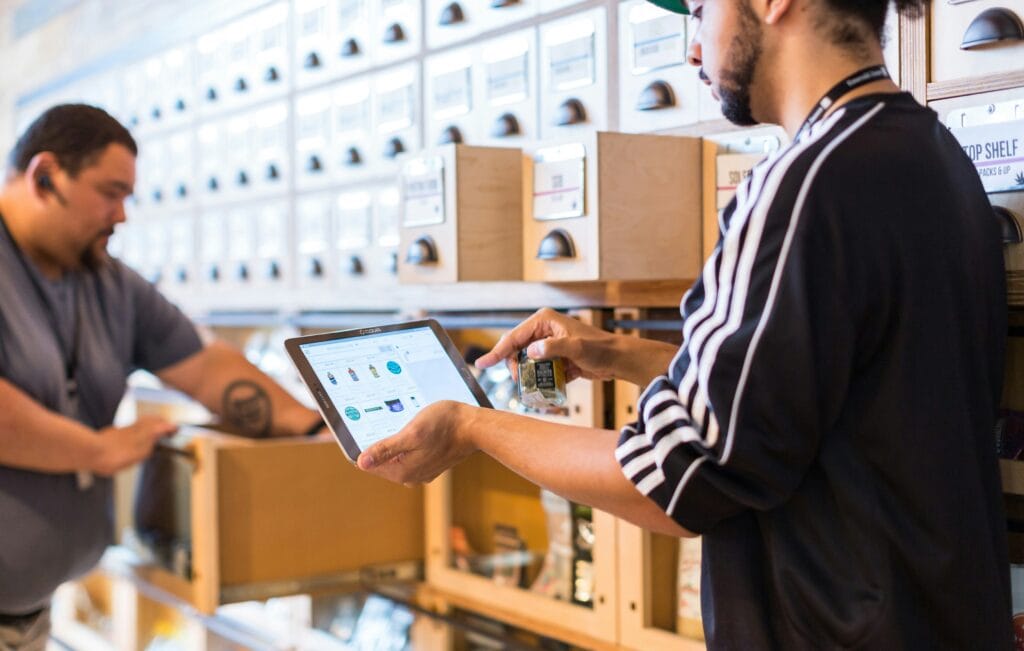
When people talk about Flutter enterprise mobile app development, the conversation often centers on consumer-facing apps. But one of the strongest, and least discussed, use cases for Flutter inside large organizations is internal tooling — the apps that warehouse staff, field technicians, delivery drivers, and operations teams use every day that customers never see.
These internal tools have specific requirements that differ from consumer apps: they need to run reliably on a mix of device types, work in environments with inconsistent connectivity, integrate with hardware like barcode scanners, and be maintainable by a small internal team without a large dedicated mobile department. This is exactly the profile of project where Flutter consistently performs well, and where we see it chosen deliberately rather than by default.
Why Internal Tools Are a Strong Fit for Flutter
Mixed device environments
Internal enterprise tools are frequently used across a mix of corporate-issued Android devices, rugged industrial hardware, and employee-owned iPhones under BYOD policies. Building and maintaining genuinely separate native apps for this kind of mixed fleet means double the development effort for a tool most employees use without much ceremony. A single Flutter codebase covering both platforms removes this duplication entirely.
Reliable performance on industrial and rugged devices
Because Flutter renders its own UI directly rather than relying on native platform components, it performs predictably across a wider range of hardware, including older or lower-spec rugged devices commonly used in warehouse and field environments. This consistency matters in operational settings where a sluggish or inconsistent app directly slows down physical work.
Hardware integration through a mature plugin ecosystem
Internal tools frequently need to integrate with device hardware — barcode and QR scanners, GPS for location tracking, camera access for documentation, and secure local storage for offline use. Flutter’s plugin ecosystem on pub.dev covers these common integration needs directly, and where a specific hardware integration is not available off the shelf, Flutter supports building custom platform channels to bridge to native device capabilities.
Offline-first capability
Field teams and warehouse staff frequently work in locations with unreliable network connectivity. Internal tools built for these environments need to function offline and sync data reliably once connectivity returns. Flutter’s architecture supports building this kind of offline-first data layer effectively, which is a frequent and important requirement for field service, logistics, and warehouse applications specifically.
Maintainable by a small internal or dedicated team
Internal tools are rarely staffed with the same size team as a customer-facing flagship product, but they still need ongoing maintenance as business processes change. A single Flutter codebase is significantly easier for a small team to maintain over time compared to two separate native codebases, which matters considerably for the long-term sustainability of internal tooling specifically.

Common Internal Tool Use Cases We Build
A capable generalist web agency can build a clean, functional Shopify store. Where the gap shows up is in the platform-specific tooling that enterprise Shopify Plus projects depend on:
- Warehouse and inventory management — barcode scanning, stock counts, and inventory adjustment tools used directly on the warehouse floorcheckout.liquid patterns or third-party app workarounds that limit flexibility.
- Field service and technician apps — work order management, customer signature capture, and job documentation for technicians working on-site
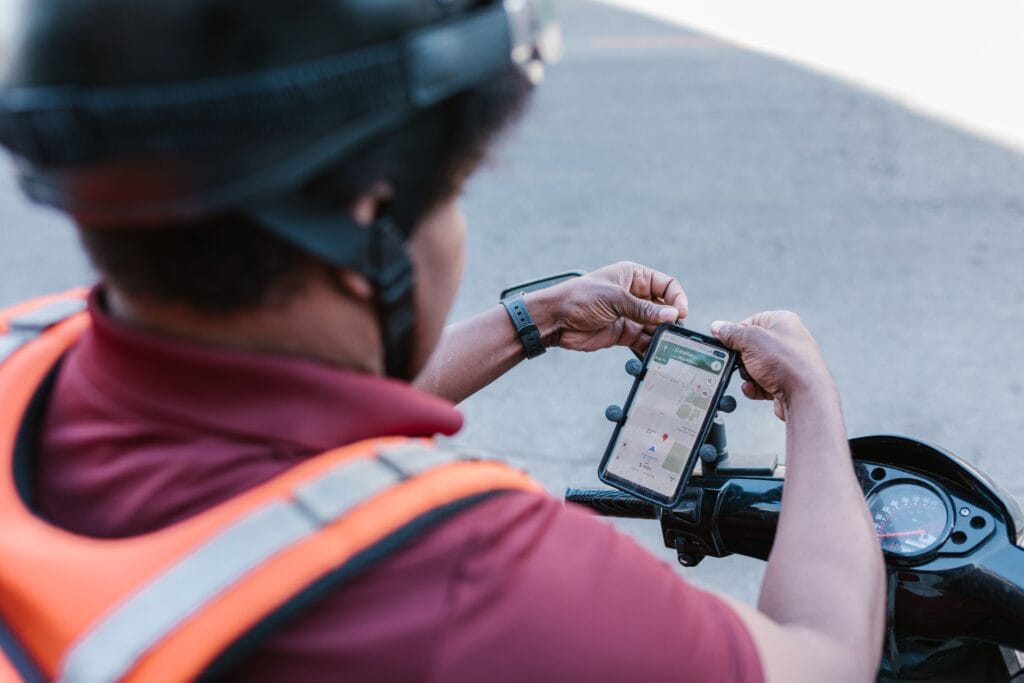
- Delivery and logistics tracking — route management, proof-of-delivery capture, and real-time status updates for delivery and logistics teams
- Internal data dashboards — mobile-accessible reporting and analytics tools that let operations and management teams check live data away from a desk
- HR and operations tools — time tracking, shift scheduling, and internal request workflows for distributed or non-desk-based teams
A Representative Example
A common pattern we see in logistics and warehouse environments: a company needs a single internal app deployed across a mix of rugged Android scanning devices and corporate iPhones, requiring reliable barcode scanning performance and the ability to push updates and new features without a lengthy app store review process for internal distribution. Building this on Flutter with a custom platform channel for the barcode scanner hardware, paired with enterprise distribution through a private app store or MDM platform, is a typical, well-supported approach for this exact scenario — and one we have implemented for clients with this kind of operational requirement.
What This Costs and How Long It Takes
Internal tools are often simpler in UI complexity than consumer-facing apps but can carry meaningful backend integration requirements, particularly when connecting to existing ERP, WMS, or CRM systems. Costs typically fall in the $40,000 to $120,000 range depending on integration complexity and the number of distinct workflows the tool needs to support. For a full Flutter app development cost breakdown across all complexity tiers, see our complete pricing guide.
Frequently Asked Questions
Is Flutter a good choice for internal enterprise tools specifically?
Yes. Internal tools often have the exact requirements where Flutter enterprise mobile app development performs well — a need to cover mixed device fleets from one codebase, reliable performance on a range of hardware including rugged devices, and maintainability by a smaller internal or dedicated team over the tool’s lifespan.
Can Flutter integrate with barcode scanners and other hardware?
Yes. Flutter’s plugin ecosystem covers many common hardware integrations directly, including barcode and QR scanning, camera access, and GPS. Where a specific integration is not available as an existing plugin, Flutter supports building custom platform channels to bridge to native device-specific functionality.
How do internal tools handle poor connectivity in the field?
Internal tools built for field or warehouse use are typically architected with an offline-first data layer, storing data locally and syncing with the backend once connectivity is restored. This is a standard and well-supported architectural pattern for Flutter applications targeting field service and logistics use cases.
How is an internal Flutter app distributed without going through public app stores?
Internal enterprise apps are typically distributed through private app stores or Mobile Device Management (MDM) platforms, allowing the organization to control exactly which employees or devices have access without requiring a public app store listing or review process.
Is it worth building a custom internal tool versus using off-the-shelf software?
This depends on how closely an off-the-shelf tool matches your actual workflow. For standard processes, off-the-shelf software is often the more practical choice. For workflows specific to your operation — particular hardware integrations, specific approval chains, or industry-specific data capture requirements — a custom internal tool typically delivers stronger long-term value despite a higher upfront cost.
NCM Technology builds enterprise internal applications with Flutter, including hardware integrations and offline-first architecture.